
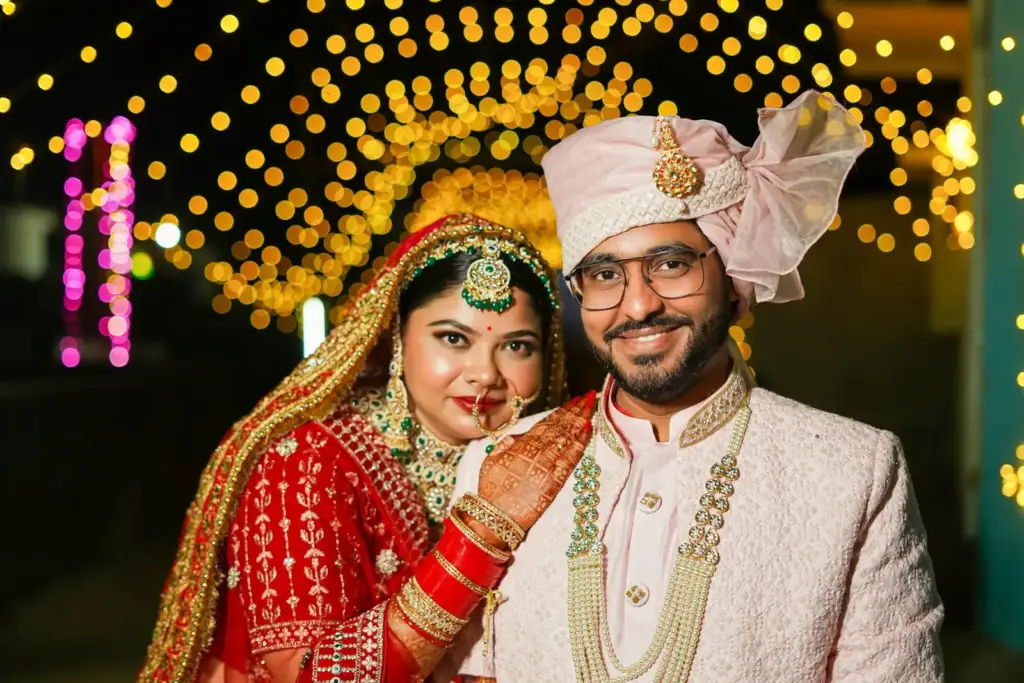
An Indian wedding takes shape around the traditions chosen by the couple. Ceremonies, outfits, meals and the reception can vary: here are some useful pointers for preparing the celebration and guiding your guests.
Indian weddings, different traditions
Indian does not necessarily mean Hindu. Families may be Hindu, Sikh, Muslim, Christian or follow other beliefs. Their region of origin, the languages they speak and their family history also matter. A couple may keep certain rituals, adapt others or choose a secular celebration.
Start with a conversation between the two of you, then with your loved ones and the officiant: which moments are meaningful to you? Who should take part? What requirements must you respect? This list becomes your guide, rather than a programme copied from another wedding.
Mehndi, haldi and sangeet: celebrations before the wedding
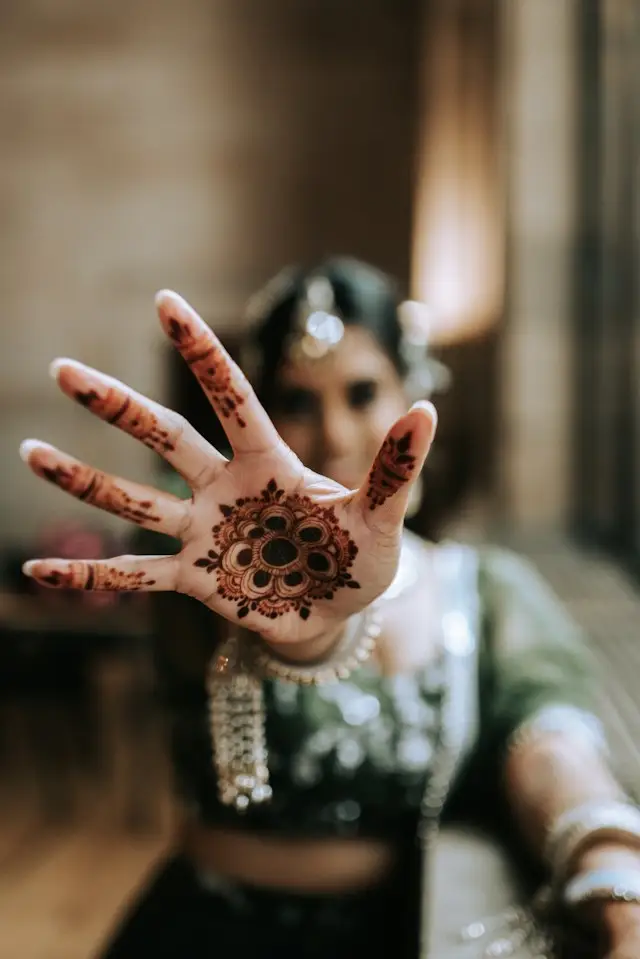
These names refer to separate celebrations. They may take place before the ceremony, but they are neither all compulsory nor shared by every family.
- Mehndi: creating henna designs, particularly on the hands and feet. Provide a comfortable space and ask the artist how much time is needed for application and drying.
- Haldi: applying a turmeric-based paste to the couple before their wedding in certain traditions. Protect fabrics and check with the venue where this activity can take place.
- Sangeet: an evening of singing and dancing organised by some couples and their loved ones. A running order, a few rehearsals and a person responsible for the music help avoid interruptions.
State clearly on the invitation which events each person is invited to. An invitation to the reception does not automatically mean that the guest is expected at every celebration.
Hindu and Sikh ceremonies: two distinct sequences
A Hindu wedding: mandap, fire and commitments
In many Hindu ceremonies, the couple gathers under a mandap, a ceremonial pavilion, and makes their commitments in the presence of the sacred fire associated with Agni. The rounds around the fire, often called pheras, and the saptapadi, the seven steps, should not be confused: how they unfold varies according to the tradition followed.
The officiant will specify the rituals, the items needed and the time to allow. Ask for a brief explanation of the main gestures in your guests’ languages: they will be able to follow the ceremony more easily without interrupting its flow.
A Sikh wedding: the Anand Karaj
The Anand Karaj includes four circuits around the Guru Granth Sahib, accompanied by the four stanzas of the Laavan. These are not the Hindu rounds around a fire. Contact your chosen gurdwara before setting the venue and times for the ceremony so that you can follow its rules.
For a couple from different cultures or religions, work together to prepare what will be celebrated, explained or adapted. Do not present a personal ritual as a rule that applies to all Indian weddings.
Planning an Indian wedding in France: the essential decisions
Coordinating the civil marriage and celebrations
In France, the civil marriage must take place before the religious marriage. Check the paperwork and timetable with your town hall before booking the celebrations. If you have already had a civil marriage abroad, have the required documents confirmed for your circumstances.
Choosing a venue that suits your programme

A beautiful function room is not enough: visit the venue with your running order, the number of people expected at each event and the officiant’s requirements. Ask for written clarification of:
- Capacity in the actual layout: a ceremony, a seated meal and a dance floor do not require the same space.
- Access, setup and dismantling times, particularly if a mandap or stage is planned.
- The conditions for flames, candles, smoke and suspended decorations; never assume that a ceremonial fire is permitted.
- The choice of caterer, kitchen equipment, deliveries and suppliers’ electrical requirements.
- Noise limits, the finishing time, spaces for changing, accessibility and a backup plan for rain.
Read our guide to choosing a wedding venue.
Preparing a meal suited to your guests
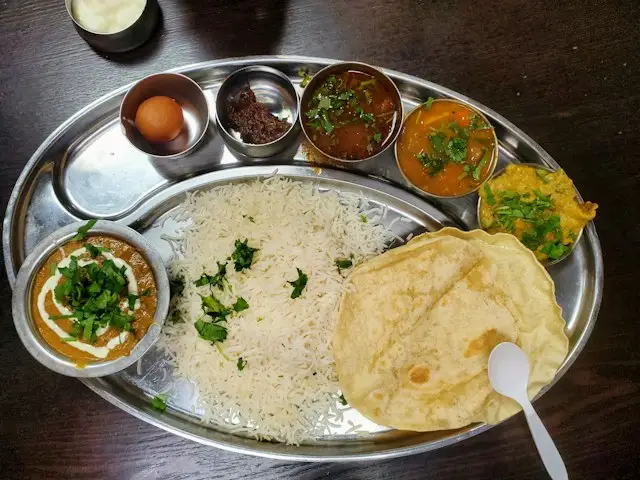
Ask about dietary needs when guests reply to their invitations: vegetarian, vegan, allergies, religious requirements or other restrictions. Do not automatically equate Indian cuisine with a single set menu. Confirm the ingredients, chilli level and preparation conditions with the caterer.
Arrange a tasting and a service schedule that works with the key moments. Clearly labelled dishes, a mild option and a meal for suppliers make the day easier. Make an explicit decision about whether alcohol will be served: customs and venue rules may differ.
Read the advice on choosing your wedding caterer.
Budget and programme: plan for each event
There is no single price for an Indian wedding. Guest numbers, the region, dates, venues and the number of celebrations greatly affect the cost. Compare quotes based on the same programme, rather than a package whose scope remains unclear.
- Venue: hire period, furniture, cleaning, setup and any charges for exceeding the agreed times.
- Catering: number of guests at each meal, drinks, staff, equipment and additional meals.
- Ceremonies and decoration: officiant, ritual items, a mandap if required, flowers, lighting and dismantling.
- Outfits and beauty: fittings, alterations, accessories, hair, makeup and henna if planned.
- Entertainment and memories: DJ, musicians, photography, video, number of days covered and overtime.
- Logistics: accommodation, shuttles, welcoming loved ones, coordination and a contingency allowance.
An example of a three-day programme to adapt: a first day devoted to mehndi and welcoming loved ones; a second to haldi and sangeet; a third to the ceremony and reception. This is one possible arrangement, not a duration prescribed by Indian culture.
For each day, note the address, arrival time, expected attire and transport. Add time for preparations, travel, outfit changes and rest. Entrust the schedule to someone who is available, rather than to the couple getting married.
Prepare your wedding budget item by item.
Attending an Indian wedding: attire, gifts and etiquette
Follow the couple’s instructions first. Indian attire is not always required: a sari, a lehenga, a kurta or suitable formalwear may be appropriate depending on the event. Ask for advice if you are unsure, particularly about colours and accessories; there is no universal prohibition that applies to every family.
In a gurdwara, visitors cover their heads and remove their shoes. Choose an outfit that allows you to sit comfortably and give advance notice of any mobility-related needs. The rules on site, particularly those concerning alcohol and tobacco, must be respected.
For a gift, follow the wedding gift list or the wishes that have been announced. An envelope of money may be appreciated if that is the couple’s custom, but no amount or format is required of everyone. During the ceremony, be discreet and check the photography instructions before moving around or filming.
Planning mistakes to avoid
- Booking a venue before confirming the ceremony’s requirements and the arrangements for welcoming guests.
- Inviting everyone to several events without counting meals, places and transport separately.
- Adding too many rituals or outfit changes without keeping time for the couple and their loved ones.
- Choosing suppliers without checking their experience of the planned programme and their ability to coordinate.
- Forgetting guests who are unfamiliar with the traditions: a bilingual programme and a named contact will help them.
To move forward, set your priorities, prepare a single coordination document and share it with the venue, officiant, caterer and technical teams. On VENUIVO, you can search for venues and suppliers, then ask them directly to confirm their availability and relevant experience for your project.
Discover wedding venues and suppliers on VENUIVO.
Frequently asked questions about Indian weddings
How many days does an Indian wedding last?
The duration depends on the programme chosen. The ceremony and reception can fit into a single day, while festivities before or after the wedding may extend the celebrations. Check the invitation to find out which events you are invited to.
Do all Indian weddings include seven rounds around the fire?
No. Hindu rituals vary and there are not necessarily seven rounds. The seven steps of the saptapadi are a separate element. The Sikh Anand Karaj ceremony follows a different sequence, around the Guru Granth Sahib.
What should you wear as a guest?
Respect the stated dress code and the ceremony venue. Ask the couple whether Indian attire is preferred, whether certain colours are reserved and whether you will need to cover your head or remove your shoes.
Can you hold an Indian wedding in a function room in France?
The reception and certain celebrations can be held in a suitable function room. Whether a religious ceremony can be held there depends on the religion’s rules and the venue’s rules. Confirm these points with the officiant or gurdwara before booking.
How can you keep the budget under control while preserving the meaning of the celebration?
Keep the moments that matter to you, cost each event separately and compare quotes for equivalent services. Reducing the number of venue changes or sharing some equipment can simplify logistics, if the programme allows it.
Sources and guidance
The rituals described are pointers, not a universal protocol. Sources consulted on 8 October 2026; for your ceremony, confirm the practices with your chosen officiant and venue.
Hindu American Foundation — guidance on Hindu ceremonies.
Guru Gobind Singh Gurdwara Bradford — the Anand Karaj.